Net zero carbon 2030

In 2020, the Diocese of Bath and Wells declared a Climate Emergency and committed to achieving net zero carbon (NZC) by 2030 - a necessary response to the climate crisis and a clear expression of our calling to care for creation and love our neighbours. Together, we are working to reduce our environmental impact across our churches, schools, clergy homes, and land. This is about more than carbon. It’s about creating buildings that are sustainable, affordable, and fit for mission, now and for generations to come.

Our journey to net zero is being delivered across multiple workstreams. Click below to explore each one, track progress, and discover practical ways to cut emissions.

...

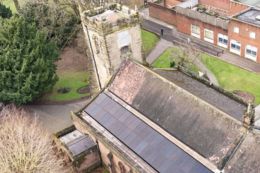
NZC churches

Churches across the diocese are reducing carbon emissions, cutting energy bills and creating warmer, more comfortable spaces that support worship, mission and community life.
...

NZC schools

Schools are lowering their carbon emissions, reducing operating costs and inspiring pupils to care for creation through practical sustainability action.

...

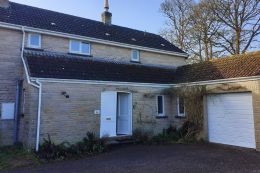
NZC housing

Clergy homes are being improved to increase energy efficiency, reduce fuel bills and provide warmer, healthier and more comfortable places to live.
...

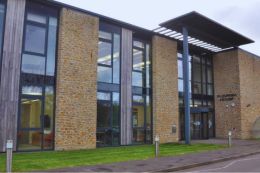
NZC offices

Flourish House is reducing its environmental impact through renewable energy, energy efficiency and sustainable working practices.
...

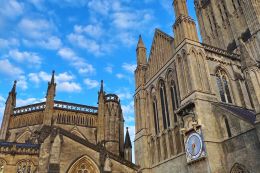
NZC cathedral

Wells Cathedral is taking meaningful steps to reduce its environmental impact while safeguarding its extraordinary heritage for future generations.
...

Other NZC workstreams

Environmental responsibility is being embedded across diocesan life through sustainable travel, the responsible management of our glebe portfolio and effective governance.

Net zero carbon FAQs
FAQs

What is Net Zero Carbon and why does it matter?

Net Zero Carbon means reducing the carbon emissions we produce as much as possible (approx 90%) and offsetting any remaining emissions (approx 10%). It matters because climate change is already affecting people and communities around the world, and we all have a role to play in reducing our impact and protecting the future.

How does this relate to our faith and mission?

Caring for the environment is part of our Christian calling. The Church of England’s Fifth Mark of Mission calls us to safeguard the integrity of creation and sustain and renew the life of the earth — loving our neighbours includes caring for the world we all share.

What emissions are included (Scope 1 and 2)?

Our focus is on Scope 1 and 2 emissions — the emissions we directly control. This includes fuel used for heating (like gas and oil) and the electricity we purchase to power our buildings.

Is funding available to help us?

Yes — there are a range of grants and funding opportunities available, both nationally and locally. The Diocese can help you identify suitable funding and support you through the application process.

What support does the Diocese offer?

We offer practical support including advice on reducing emissions, help with developing projects, guidance on funding, and technical input on heating and renewable energy. We are here to support you at every stage of your Net Zero journey.

How is the Diocese tracking progress towards Net Zero?

We track progress through detailed strategies for each Net Zero workstream, supported by a clear Critical Pathway to Net Zero. Progress is monitored regularly, with departments reporting on delivery, challenges, and next steps. This is overseen by the Diocesan Environment Group, which holds teams to account and in turn reports to Bishop’s Council. You will be able to explore our overall Net Zero strategy here soon.

Who to contact

If you have any questions regarding the information above, please contact our Environment team.

Powered by Church Edit